From post-independence origins to Asia's most prestigious retail address.
Originally built to resettle refugees from the North-West Frontier Province after India's partition, Khan Market was named after Khan Abdul Jabbar Khan.
The market begins its evolution from a neighborhood bazaar to a high-end retail and dining destination, attracting upscale brands and restaurants.
Khan Market enters global rankings of the world's most expensive retail streets, drawing international luxury brands and commanding premium rents.
Commanding ₹2,500–2,600 per sqft per month, 40K+ weekend footfalls, and property values of ₹30 Crores — projected to be India's most expensive commercial real estate by 2030.
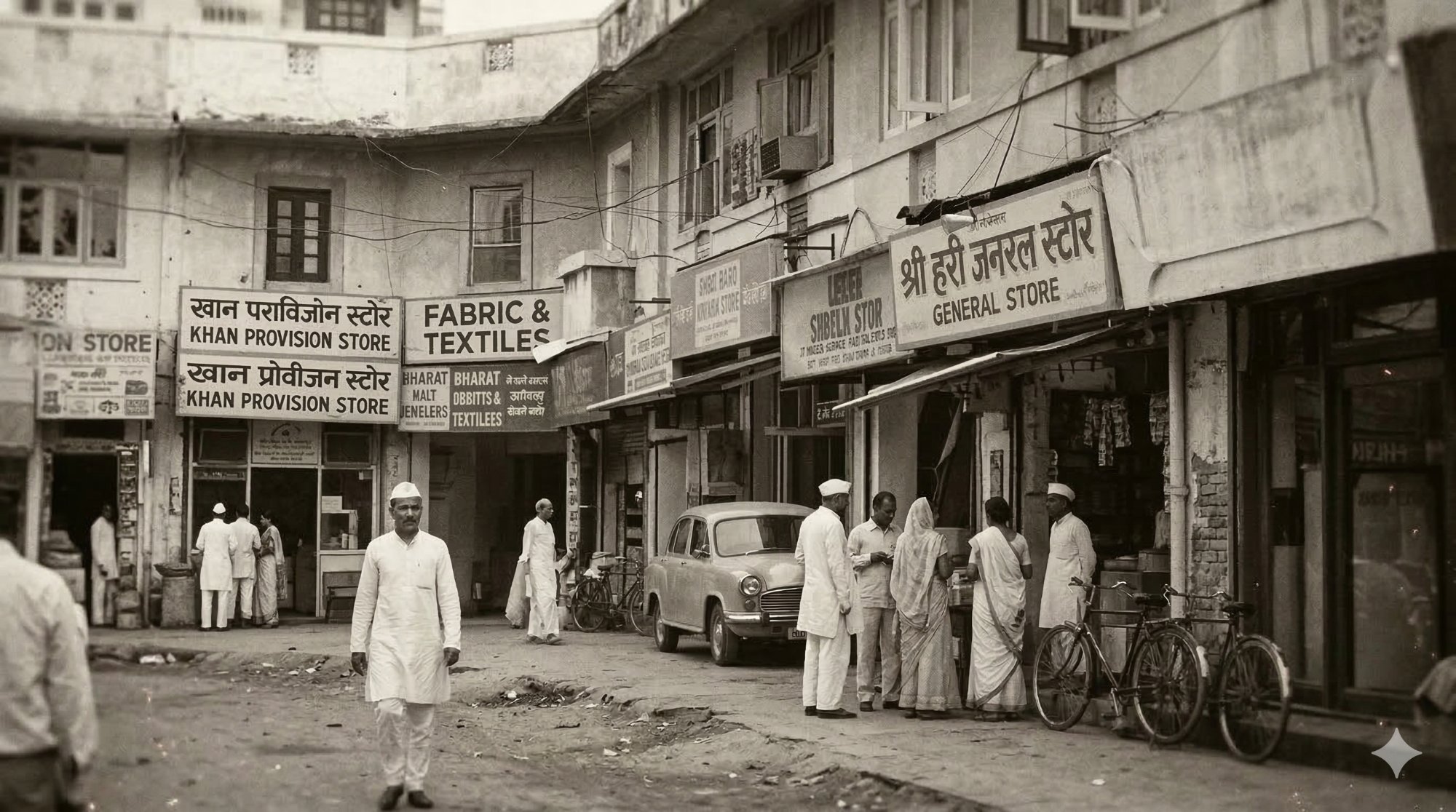
1951
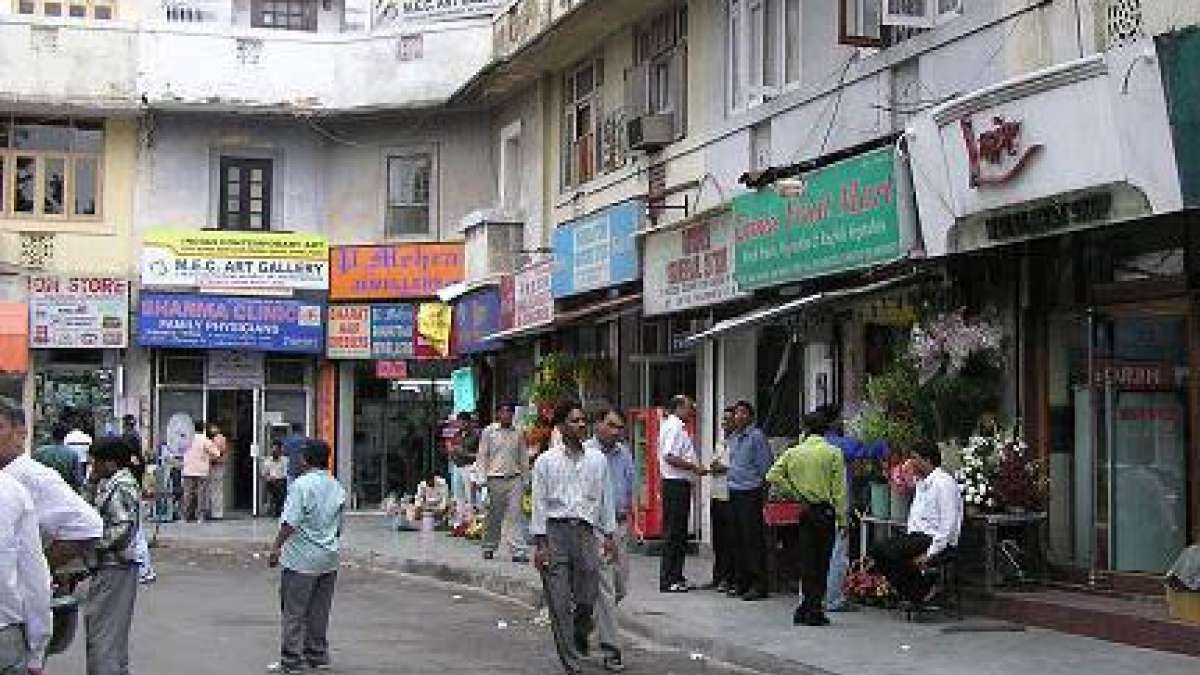
images/khan-1951.pngimages/khan-1990s.jpgimages/khan-modern.avif
Click a year to travel through time
Interactive charts showcasing Khan Market's extraordinary investment potential.
The average property value in Khan Market was just ₹4 Crores in 2002 and has now surged to nearly ₹30 Crores.
A staggering increase that outperforms most premium real estate markets anywhere in India.
Rentals in Khan Market have more than tripled over a span of 12 years — from ₹5 Lakhs average monthly rent in 2014 to ₹14 Lakhs in 2026.
Average monthly rent in 2026, with premium locations commanding even higher.
Khan Market attracts Delhi's elite with 40,000+ weekend visitors, comprising residents of the renowned Lutyens Zone.
Saturday peak footfall, powered by Khan Market Metro Station on the Purple Line and its proximity to Lutyens' Delhi.
Khan Market stands among Asia's top retail addresses, ranked 24th — and climbing. Projected to be India's most expensive commercial real estate by 2030.
Competing with streets in Tokyo, Hong Kong, Seoul, and Singapore for the top spots.
With 8% annual rent escalation and rising demand, begin with a conversation. Let us guide you.